IBS poop can look hard and lumpy, loose and mushy, or watery depending on whether symptoms lean toward constipation, diarrhea, or a mix of both. On the Bristol Stool Scale, IBS-C often matches types 1–2, IBS-D types 6–7, and IBS-M alternates between them.
IBS commonly involves abdominal pain linked to bowel movements and changes in stool frequency or form.
IBS and Bristol stool types at a glance
- IBS-C: usually types 1–2
- IBS-D: usually types 6–7
- IBS-M: alternates between constipation and diarrhea
- Types 3–4: generally the most typical stool forms
For a visual breakdown of how IBS-C, IBS-D, and IBS-M map to stool types, see our resource on IBS subtypes and the Bristol Stool Scale.
What is the Bristol Stool Scale?
The Bristol Stool Scale is a chart that classifies stool into seven types based on shape and consistency. It is widely used because it gives both patients and healthcare professionals a more consistent way to describe bowel movements. For people with IBS, it can also help show whether symptoms lean more toward constipation, diarrhea, or a mixed pattern over time.
The seven types are:
- Type 1: separate hard lumps
- Type 2: lumpy and hard
- Type 3: sausage-shaped with cracks
- Type 4: smooth and soft
- Type 5: soft blobs with clear edges
- Type 6: mushy with ragged edges
- Type 7: watery, no solid pieces
According to the Cleveland Clinic Bristol Stool Chart, types 3 and 4 are generally considered the most typical stool types, while types 1–2 suggest constipation and types 6–7 suggest diarrhea.
If you want to log stool type more consistently, a Bristol stool scale app can make daily tracking easier.
What do Bristol stool types 1–7 mean?
Bristol stool types describe how quickly stool is moving through your digestive system. Harder stools usually suggest slower movement, while looser stools usually suggest faster movement.
In plain English:
- Types 1–2: slower-moving stool, more consistent with constipation
- Type 3: slightly firm but close to typical
- Type 4: smooth and soft, generally the most typical stool type
- Type 5: softer than usual, borderline loose
- Types 6–7: faster-moving stool, more consistent with diarrhea
You do not need to have a perfect type 4 every day. What matters more is your pattern over several days, not one single bowel movement.
What does IBS poop usually look like?
IBS stool patterns vary, but they usually fall into three broad patterns: constipation-predominant (IBS-C), diarrhea-predominant (IBS-D), or mixed (IBS-M).
People with IBS often fall into one of these patterns:
- IBS-C: mostly types 1–2
- IBS-D: mostly types 6–7
- IBS-M: alternating between both patterns over time
According to the National Institute of Diabetes and Digestive and Kidney Diseases (NIDDK), IBS is commonly defined by abdominal pain linked to changes in bowel movements, which is why stool form can be such a useful signal.
It does not diagnose IBS on its own, but it helps describe what your bowels are actually doing.
How do you use the Bristol Stool Scale for IBS?
To use the Bristol Stool Scale for IBS, match each bowel movement to a stool type and track how that changes over time alongside symptoms like pain, urgency, and bloating.
A single stool type does not tell you much on its own. The value comes from tracking patterns.
For a deeper look at what to record beyond stool type, see our guide on why tracking bowel movements can help with IBS.
A simple log helps you:
- record stool type consistently
- notice shifts between constipation and diarrhea
- connect stool changes with meals or stress
- spot trends across days or weeks
Over time, this becomes much more useful than relying on memory. A bowel movement tracker can help make those patterns easier to see.
Why can IBS stool patterns change day to day?
IBS symptoms often fluctuate. Changes in stress, routine, sleep, meals, travel, and daily habits can all affect how symptoms feel from one day to the next.
Common reasons include:
- stress or anxiety
- poor sleep
- changes in routine or travel
- meal timing or specific foods
- hormonal changes
Because of this, one unusual bowel movement does not define your condition. A pattern over time is much more useful than any single day.
This is why many people do better with simple daily logging than with trying to remember everything later.
What symptoms should you track alongside stool type?
Stool type is only one part of the picture. Tracking symptoms alongside bowel movements gives you a much better sense of what is happening.
A useful IBS log can include:
- abdominal pain before or after bowel movements
- bloating or visible distension
- urgency
- incomplete evacuation
- meals and timing
- stress or sleep changes
For example:
- pain may improve after a bowel movement
- bloating may increase before looser stools
- urgency may follow certain meals
Without that context, a stool log on its own can miss important patterns. An IBS symptom tracker gives you a fuller picture than stool type alone.
What can an IBS stool pattern look like over one week?
A pattern is often hard to notice in the moment, but becomes clearer when tracked over several days.
For example:
- Monday: type 2 stool with bloating
- Tuesday: no bowel movement
- Wednesday: type 1 with straining
- Thursday: bloating and discomfort
- Friday: type 6 after stress and poor sleep
- Weekend: type 3–4 with fewer symptoms
At first, this may feel random. But once it is written down, a pattern becomes easier to see:
- constipation earlier in the week
- a shift toward looser stools later
- possible links to stress, sleep, or routine
That is where an IBS diary app becomes useful.
What can help?
You do not need perfect tracking. You need consistent tracking.
A practical approach is to:
- log each bowel movement using the Bristol Stool Scale
- track urgency, pain, and bloating
- note meals and timing
- record obvious triggers like stress or poor sleep
The most useful tracking system is the one you can actually keep using for 14 days.
One common mistake is trying to track everything perfectly from the start. That usually leads to stopping altogether. A simple system used consistently is usually more helpful than a detailed system you do not keep up with.
When should you speak to a doctor?
The Bristol Stool Scale is helpful, but it does not replace medical advice.
Guidance from the NHS and NIDDK recommends seeking medical advice if you notice:
- blood in your stool
- black or tarry stools
- unexplained weight loss
- anemia
- new or worsening symptoms
A clear record of your symptoms can make appointments easier. A clinic-ready personal insights report can help you summarize what has been happening.
What should you track for 14 days if you have IBS?
For the next 14 days, track:
- stool type
- urgency
- pain
- bloating
- meals
- suspected trigger foods
- stress or sleep changes
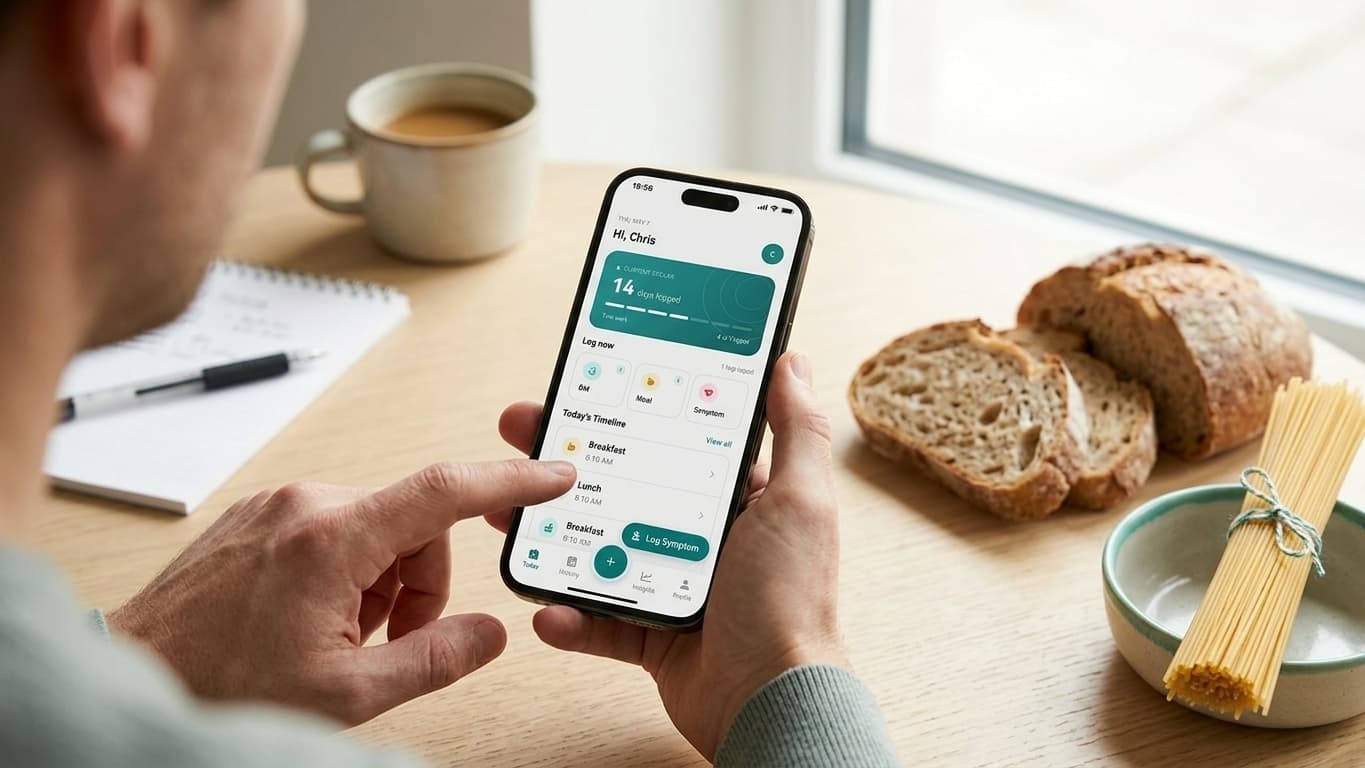
Using GutSpy as your IBS tracker can help keep this structured and easier to review.
If you want a guided plan, GutSpy’s 14-day tracking program can help you build a consistent logging habit and review patterns at the end of the period.
The goal is not perfect data.
The goal is to understand your pattern.
Medical note
This article is for educational purposes only and does not provide a diagnosis. If symptoms are new, severe, unusual for you, or linked with warning signs such as bleeding, black stools, anemia, or unexplained weight loss, seek medical advice.
Editorial note
This article was written for educational purposes and references guidance from NIDDK, NHS, and Cleveland Clinic.
FAQ
Which Bristol stool types are normal?▼
Types 3 and 4 are generally considered the most typical stool forms.
Which stool types suggest constipation?▼
Types 1 and 2 usually suggest constipation.
Which stool types suggest diarrhea?▼
Types 6 and 7 usually suggest diarrhea.
Can the Bristol Stool Scale diagnose IBS?▼
No. The Bristol Stool Scale helps describe stool form, but IBS diagnosis requires symptom evaluation and medical assessment.
Is it normal for IBS stool to change frequently?▼
Yes. IBS stool patterns often change due to stress, diet, sleep, routine, and other daily factors. Tracking over time helps identify whether those changes follow a pattern.
When should you see a doctor for IBS stool changes?▼
See a doctor if you notice blood in your stool, black or tarry stools, unexplained weight loss, anemia, or symptoms that are new or worsening.